

In the world of manufacturing equipment, hydraulic power units play a essential role in providing power seamlessly and efficiently. Such units harness the force of fluid power to drive a multitude of applications, from infrastructure and manufacturing to farming and more. With their ability to provide high torque and exact control, hydraulic power units have become critical in today's engineering, transforming how assignments are completed and enhancing efficiency in various sectors.
Among the diverse types of hydraulic power units, the high horsepower variants stand out for their notable capability to handle larger workloads and operate heavy machinery with efficiency. On the contrarily, open frame hydraulic power units offer a compact, flexible solution for applications where area is constrained. This article explores the wonder of hydraulic power units, examining their architecture, functionality, and the impact they have on industries that utilize fluid power to drive progress and productivity.
Increased Power Hydraulics Energy Systems
Increased performance hydraulic power units are crucial components in various industrial applications that necessitate significant power output. These units are crafted to deliver increased pressure and flow rates, which makes them perfect for heavy-duty operations such as building, manufacturing, and oceanic applications. With sturdy construction and cutting-edge engineering, they can tackle large-scale tasks that demand a reliable power supply.
One of the key benefits of high horsepower hydraulic power units is their performance. They are frequently equipped with advanced technologies that enhance energy usage while maintaining peak performance. This importance is particularly important in industries where productivity directly relates with operational costs. By effectively converting hydraulic energy into mechanical energy, these units assist lower downtime and enhance workflow, ultimately causing increased profitability.
In addition their power and efficiency, modern high horsepower hydraulic power units include a selection of customization options. Businesses can customize these units to meet particular operational needs, such as integrating custom control systems or opting for various pump configurations. This versatility allows industries to utilize the full potential of hydraulic power, adjusting to the dynamic demands of their operations while guaranteeing consistency and sustainability in performance.
Open-frame Hydraulic Power Units
Open-frame hydraulic power units are crafted with a focus on usability and effectiveness. The open frame design allows for simple upkeep and check-ups, confirming that users can quickly access essential components such as the motor, pump, and tank. This type of unit is especially beneficial in environments where space is constrained and where frequent upkeep is required to keep operations running smoothly.
A further major advantage of open-frame units is their light build, rendering them more convenient to move and set up. These devices are frequently utilized in mobile applications, where the capability to rapidly install and uninstall hydraulic setups is essential. Their flexibility allows them to be used in various industry applications, from building sites to factories, adjusting to the demands of various operations without compromising on effectiveness.
Moreover, open-frame hydraulic power systems typically feature tailorable setups, allowing users to pick components that best fit their individual requirements. This adaptability extends to power ratings, tank sizes, and supplementary systems like filtration systems. As a consequence, fields can leverage the power of hydraulic systems effectively while maintaining flexibility in their operational setups.
Implementations and Benefits
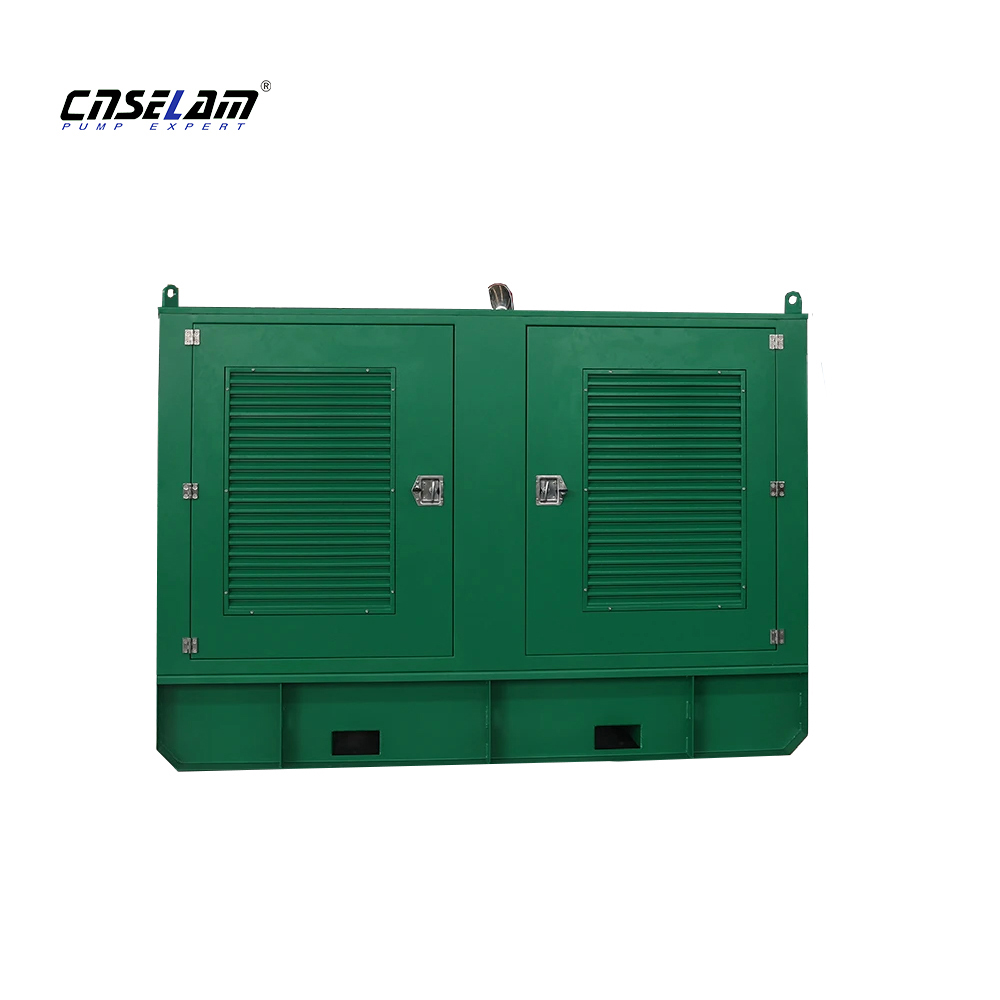
Hydraulic HPUs are vital for diverse sectors, delivering dependable power in an array of applications. Within building development, high horsepower hydraulic power units are frequently used to power heavy machinery such as excavating equipment, hoists, and tractor units. Their capability to deliver steady force makes them suitable for operations involving significant lifting and exact control. This power output, together with efficiency, ensures that building projects can proceed smoothly and according to scheduled deadlines.
The versatility of modular hydraulic power units enhances their utility across a wide range of sectors. In settings such as automotive repair shops to manufacturing facilities, these units offer a space-saving and easily accessible power source. Their exposed structure allows for straightforward maintenance and modularity in tight environments, making them a popular choice for industrial facilities and workplaces. The ease of incorporating these units into existing systems ensures engineers and technicians can utilize hydraulic power with little extensive changes.
In addition to their functional applications, hydraulic power units offer significant advantages, including energy efficiency and minimal maintenance. Through harnessing hydraulic fluid, these mechanisms can generate substantial force with minimized energy consumption compared to air-powered or electric alternatives. This efficiency not only reduces expenses but also supports sustainability. Furthermore, High Horsepower Hydraulic Power Unit reduced wear and tear on components leads to lower maintenance requirements, translating to increased uptime and productivity in industries relying on hydraulic systems.